Reach plc has said it is still on course to meet full-year market expectations, even as the UK publisher contends with a sharp fall in digital traffic driven largely by changes at Google. The update paints a picture of a group under pressure from the same forces affecting much of the news industry: weaker search referrals, falling on-platform audience numbers and a continuing shift in how readers arrive at news online.
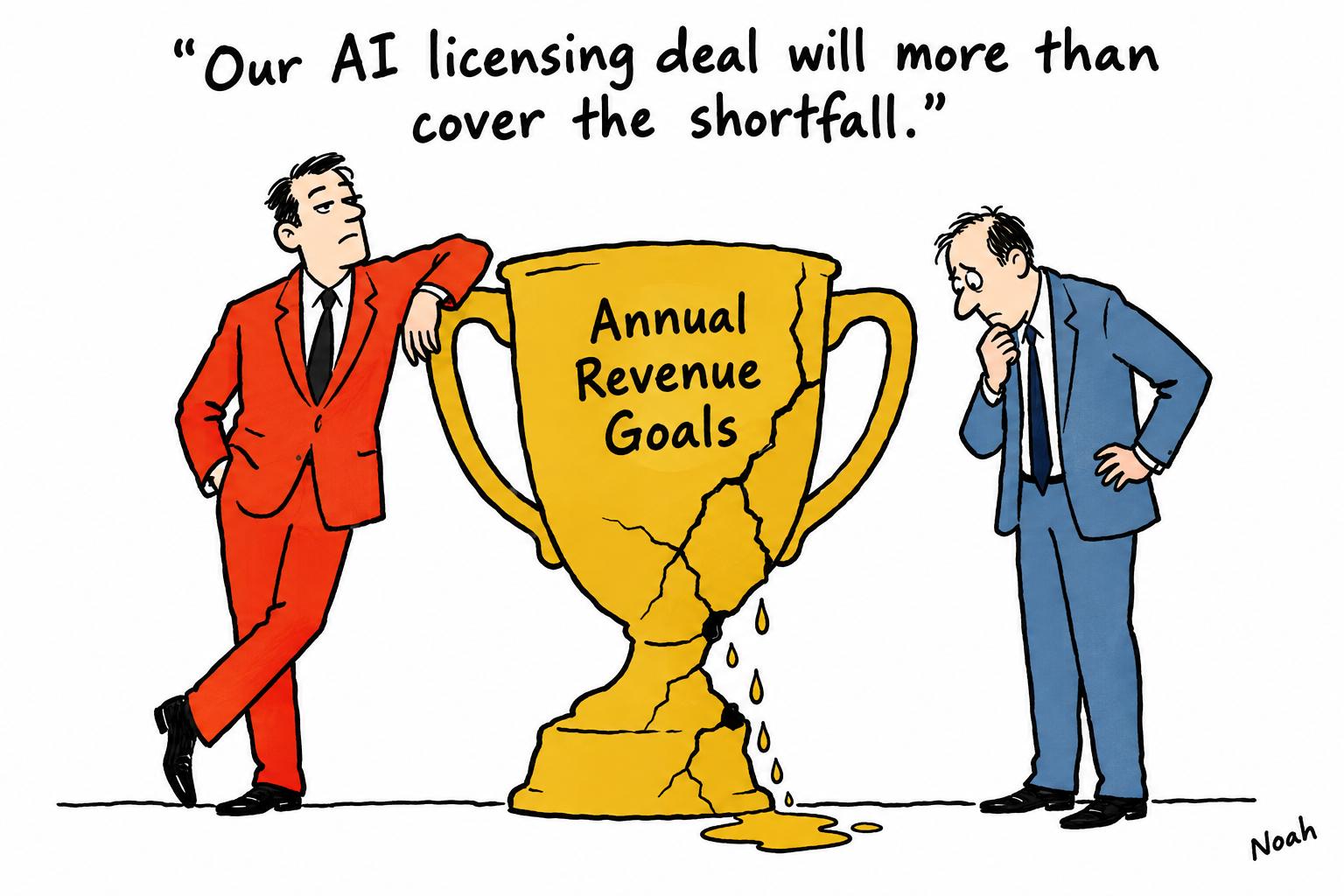
The clearest strain is in digital. Reach said industry-wide referral disruption, particularly from Google, continued to weigh on traffic, leaving on-platform revenue under pressure as fewer readers landed on its own websites. Off-platform income proved more resilient, helped in part by growth in AI licensing revenue. The company said that uplift was supported by a recently signed agreement with a major technology platform, suggesting that the same AI wave disrupting publishers’ traffic is also beginning to generate contractual income for some of them.
The numbers behind the update underline the scale of the challenge. According to reports on the trading statement, third-quarter revenue fell 14.1%, with digital revenue down by more than a fifth. Another account of the results said on-platform page views dropped sharply, while cost cutting helped soften the blow to profitability. Reach has been reducing its operating base through restructuring, including redundancies and changes to its print production network, as it tries to offset a weaker revenue mix.
Print, meanwhile, remained stubbornly relevant despite its long-term decline. Revenue from the division fell, but circulation volumes were broadly steady compared with the previous quarter, pointing to a readership that remains intact even as the economics of the business deteriorate. Print advertising was stronger than the wider trend might suggest, with the FIFA World Cup providing a boost as advertisers flocked to major sporting moments that still deliver large, engaged audiences.
That short-lived lift, however, did not disguise the broader pressure on the print business. The company has confirmed a wider restructuring plan that includes site closures and is expected to deliver greater cost savings over the full year than those achieved in the first half. Reports on the trading update said operating expenses were cut materially in the period, helping support adjusted profits even as revenues fell.
Reach’s response is to lean harder into diversification. Management has pointed to three priorities: reinforcing its established brands, expanding video as a revenue stream and reducing dependence on conventional advertising models tied to search traffic. In practice, that means trying to monetise journalism in more ways than before, whether through direct advertising, video or licensing deals with technology firms that use publishers’ content.
The company’s message is cautiously upbeat rather than celebratory. It is not suggesting that the traffic shock from search will disappear soon, but it does believe the business can still deliver within expectations for the year as a whole. The combination of restructuring, cost discipline, stable print readership and new AI-related income offers a partial counterweight to the weakness in digital discovery, even if the underlying pressures on the sector remain severe.
Source Reference Map
Inspired by headline at: [1]
Sources by paragraph:
- Paragraph 1: [2], [3]
- Paragraph 2: [2], [3], [4]
- Paragraph 3: [5], [6]
- Paragraph 4: [2], [3]
- Paragraph 5: [2], [5]
- Paragraph 6: [1], [2], [5]
- Paragraph 7: [1], [2], [3]
Source: Noah Wire Services