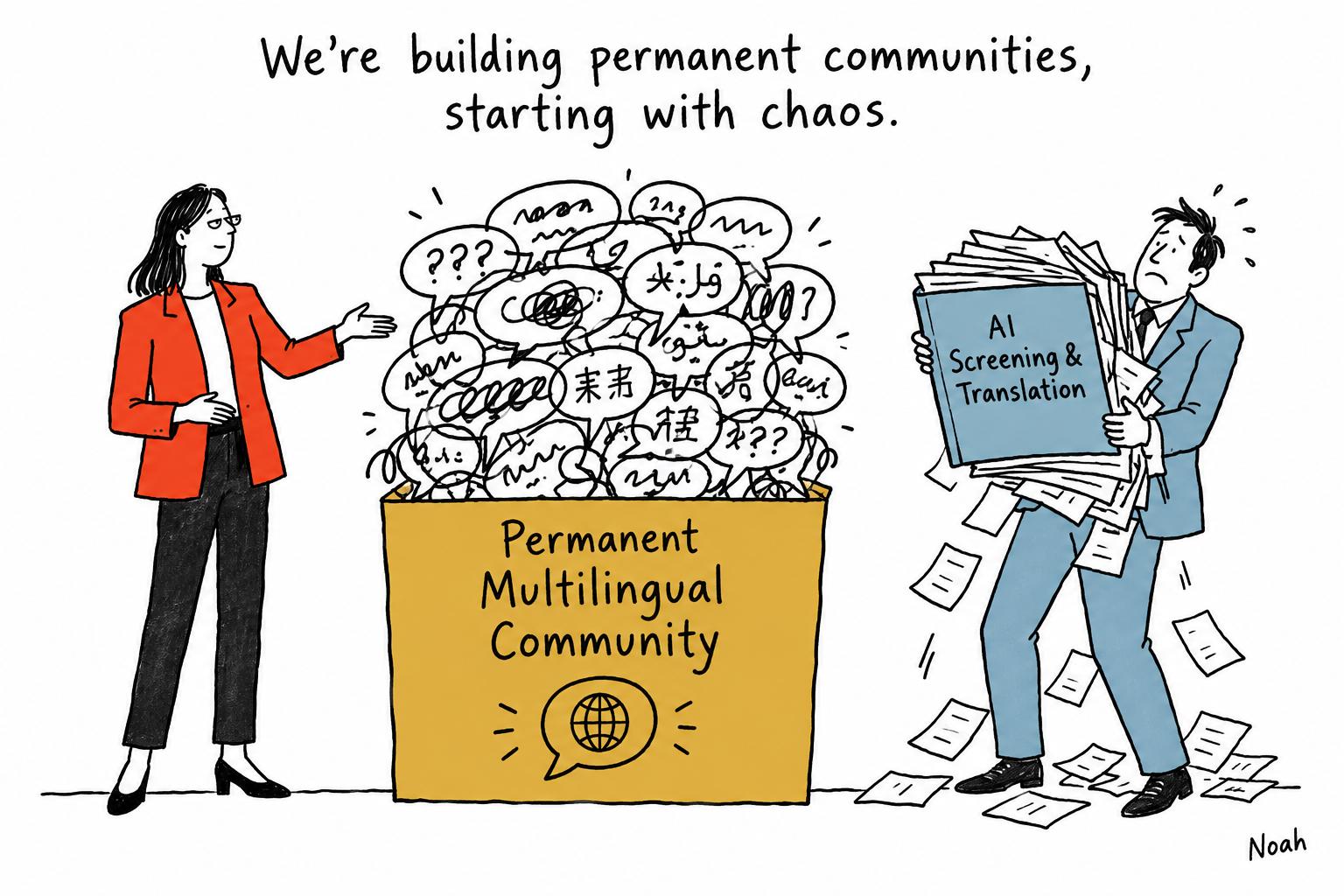
Discourse is pitching a more ambitious role for the comments area: not as a bolt-on beneath an article, but as a durable community layer that can help publishers attract loyal readers, improve search visibility and keep discussions alive long after publication. In its new playbook for publishers, the company says its system can screen new contributors with AI, translate discussions into multiple languages and turn every article into a permanent thread that remains accessible to search engines and AI tools.
The pitch begins with moderation. Discourse says its AI spam filter reviews posts from newer accounts before they appear publicly, using signals such as account age, post count and location, along with the text itself and any images attached. The company says suspicious posts are hidden, the account is restricted and the item is pushed into a review queue for moderators, while mistaken flags can be reversed with a single action. That focus on automated screening reflects a wider trend among comment and community tools, with services such as CommentHive, Hush, Synth Antispam and FeedGuardians all promoting AI-led detection of spam, scams and toxic material as a way to reduce the burden on human moderators.
Discourse is also trying to solve a quieter problem: participation across language barriers. According to the company, threads can be translated into the languages a publisher selects, with readers seeing comments in their preferred language and having the option to view the original text. The system can preserve house style through translation instructions and tag language versions for search engines, which the company says can help non-English searchers discover discussions that began in another language. That kind of multilingual moderation and presentation is a notable differentiator, especially for publishers with international audiences.
The final part of the proposal is structural. Discourse says publishers can keep readers on the article page by enabling an embedded, app-like comment experience rather than sending them to a separate forum tab. Each article can be given a permanent topic with its own address, allowing conversations to continue as part of a broader, searchable archive rather than disappearing into a transient feed. The company argues that this model gives trusted regulars more scope to help moderate, while publishers retain ownership of the content and the account data. It also lays out deployment routes for WordPress, Ghost and any site that can add a JavaScript embed, positioning the system as a way to turn the comment box from a liability into a long-term asset.
Source Reference Map
Inspired by headline at: [1]
Sources by paragraph:
- Paragraph 1: [2], [3]
- Paragraph 2: [2], [4], [6], [7]
- Paragraph 3: [1], [3], [4]
- Paragraph 4: [1], [5], [6]
Source: Noah Wire Services