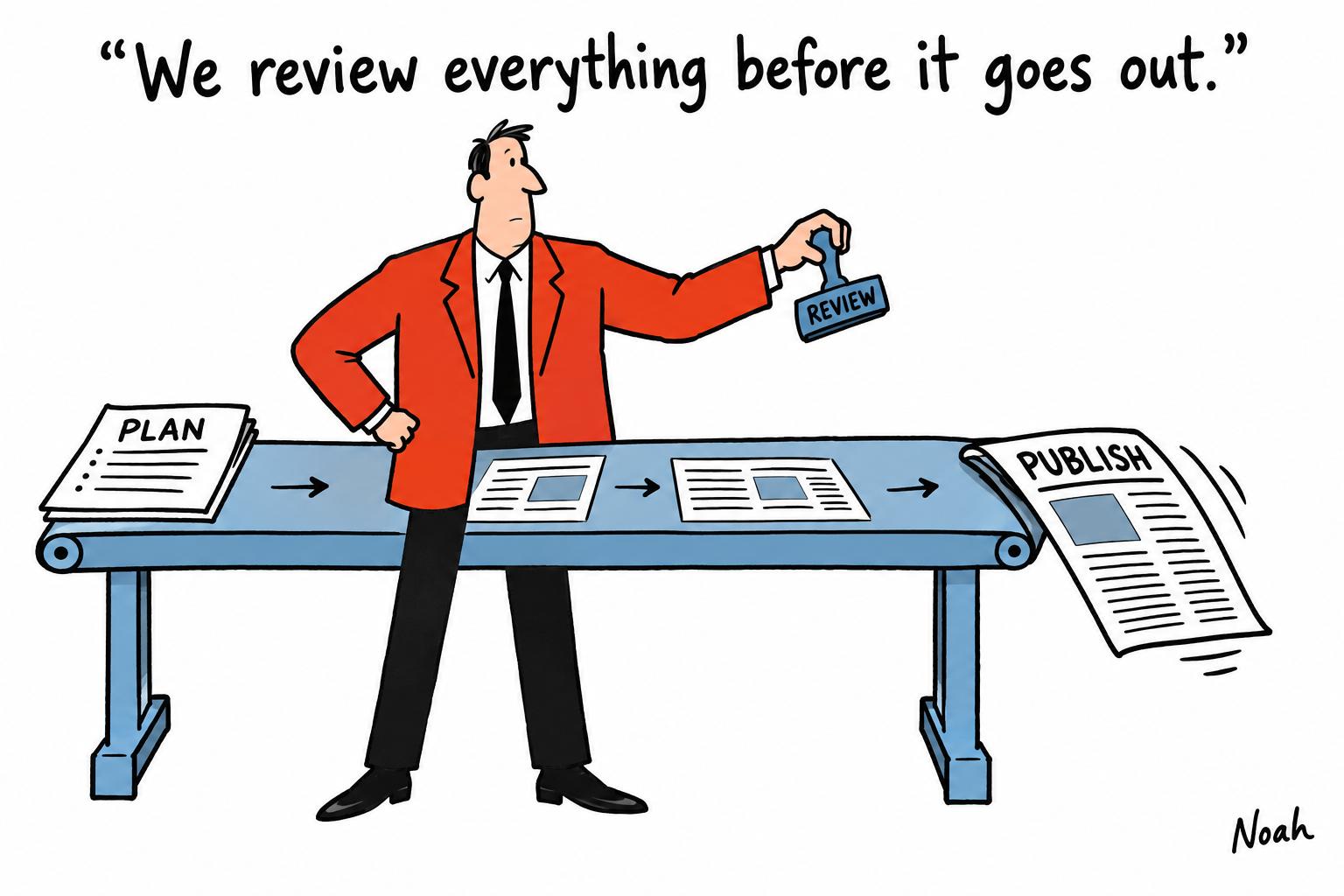
The Gazette News Nigeria says it has completed the move to a digital newsroom system, bringing assignment planning, reporting, editing and publication into a shared workflow. The Yola-based outlet says the system is intended to improve co-ordination among reporters, editors and photographers, while making progress and responsibility for stories easier to track. The announcement marks a further step in a process the publication had begun earlier in the year.
Vanguard reported in March that staff at the newspaper’s Yola headquarters had received training in digital task-management tools. The earlier system of coordinating assignments through calls and group messages could lead to duplicated work and delays, particularly as staff operated across Yola and Abuja. The Gazette’s latest announcement describes a more integrated operation, although the earlier report does not independently establish that the full transition has now been completed.
The publication also says it has adopted guidelines for using artificial intelligence as an editorial aid, citing research support, language checks and help with organising content as possible applications. It says material is checked by editors before publication and that factual claims are verified. These are claims made by the newspaper; the available reporting does not independently confirm its specific procedures.
There is broader momentum in Nigeria towards formal guidance for newsroom AI use. Safer-Media Initiative said it introduced policy and readiness resources in August, addressing issues including misinformation, deepfakes and editorial independence. Its project had trained and supported journalists from 70 media organisations, but there is no evidence in the supplied material that The Gazette participated or adopted those resources.
Research on Nigerian journalism highlights why such safeguards matter. A study based on interviews with 50 journalists found that AI is being used for tasks such as transcription and copy-editing, while raising questions about professional responsibility and the retention of editorial authority. Separate research in Taraba State recorded concerns about inaccurate information, plagiarism, privacy and over-reliance on automated tools; participants described fact-checking and human review as important responses.
The challenges may be especially pronounced for local outlets. A study of journalists in north-west Nigeria identified concerns about bias, cultural misrepresentation, audience trust and infrastructure, alongside the potential value of AI for routine work. The Gazette says it plans to continue developing its digital infrastructure and staff training, and founder and editor-in-chief Vangawa Bolgent said: “Young journalists in the North should see that technology and integrity can work together.” Research on digital restructuring at The Guardian also suggests that transformation can involve changes to organisational practices and strategy, not just new technology, though that case does not establish what has occurred at The Gazette.
Source Reference Map
Inspired by headline at: [1]
Sources by paragraph:
- Paragraph 1: [2]
- Paragraph 2: [2]
- Paragraph 3: [3]
- Paragraph 4: [3]
- Paragraph 5: [4], [6]
- Paragraph 6: [5], [7]
Source: Noah Wire Services