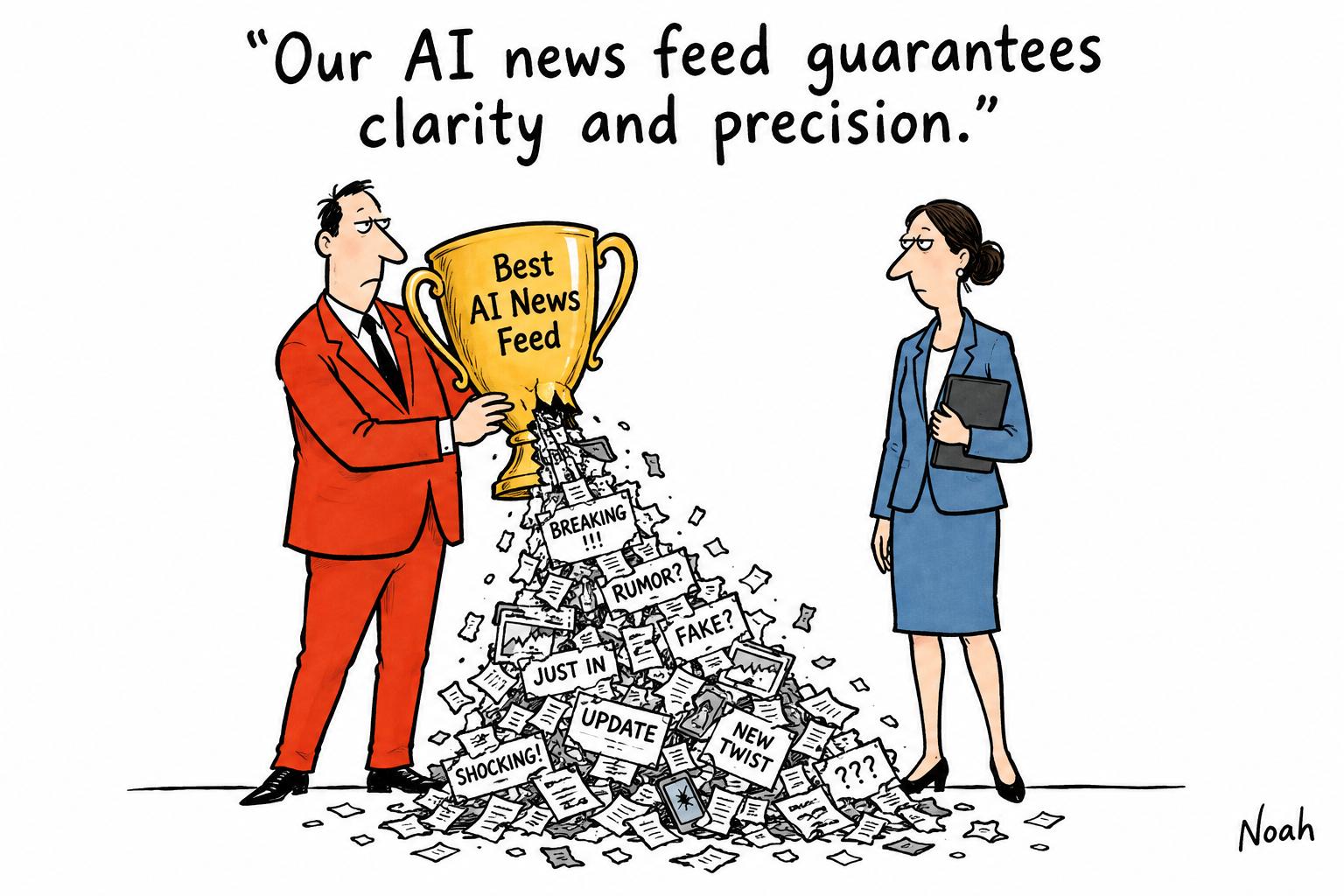
The media business is moving towards a point where journalism is no longer made solely for people scrolling through webpages. As AI assistants increasingly gather, filter and summarise information on behalf of users, publishers are being pushed to think about a second audience: automated systems that decide what reaches the human reader. WIRED reported in October 2026 that this is already prompting experimentation with structured feeds, machine-friendly formats and products designed for AI-mediated consumption rather than direct site visits.
That shift is beginning to reshape how news organisations think about discovery and distribution. According to WIRED, Axios is building Axios Direct, a set of structured information feeds intended for AI agents, with plans that start in corporate information products and may later extend to consumers. The same report said Every is testing interactive reading experiences that combine articles with AI prompts and supporting research material, giving subscribers a more adaptable way to engage with reporting. Separately, Microsoft has argued in a September 2026 blog post that media companies need to integrate AI into operations if they want to keep pace with changing production and distribution models, underlining how quickly these tools are moving from novelty to infrastructure.
The attraction for publishers is obvious, even if the commercial logic is still unsettled. Instead of competing only for clicks, they can try to secure a place inside AI-generated briefings, search results and task-specific information flows. IBC’s 2026 panel on AI in media said these systems are already being used in content discovery, metadata management, campaign preparation and distribution, mainly to remove repetitive work and speed up decisions. But the same discussion also stressed that human judgement remains essential, particularly where editorial standards, context and accuracy matter.
Industry sentiment suggests the change is unlikely to be temporary. The Reuters Institute’s 2026 survey found that 75% of media leaders expect agentic tools to have a large or very large impact on news in the near future, which helps explain why publishers are testing new formats now rather than waiting for a settled market. Deloitte has separately projected that the global agentic AI market could reach US$45 billion by 2030 if enterprise orchestration keeps improving, a sign that the broader business case around autonomous systems is gathering momentum beyond media alone.
For publishers, the central question is whether they can remain visible and valuable once AI sits between the newsroom and the audience. That means preserving attribution, protecting rights and finding ways to monetise information even when the end user may never land on the original article. The opportunity lies in building products that are both readable by machines and credible to people: structured reporting, licensed access, and briefing formats that fit naturally into AI-assisted workflows. The risk is equally clear. If publishers do not control the terms of access, they may find themselves supplying the raw material for answers that reach audiences without delivering traffic, subscriptions or brand recognition in return.
Source Reference Map
Inspired by headline at: [1]
Sources by paragraph:
- Paragraph 1: [2]
- Paragraph 2: [1], [2]
- Paragraph 3: [3], [4]
- Paragraph 4: [1], [6]
- Paragraph 5: [1], [3], [6]
Source: Noah Wire Services